Fatigue Indicators
Eye closure, PERCLOS, blink timing and yawning interpreted over time.
Open Driver Safety Intelligence Platform
Detect fatigue indicators, distraction and attention risk in real time — at the edge. Turn observations into explainable safety events your drivers and safety teams can act on.
Deploy Driverion as software, integrate through the SDK, or connect it to Driverion-ready edge hardware.
New approach
Driver Safety Observation Engine
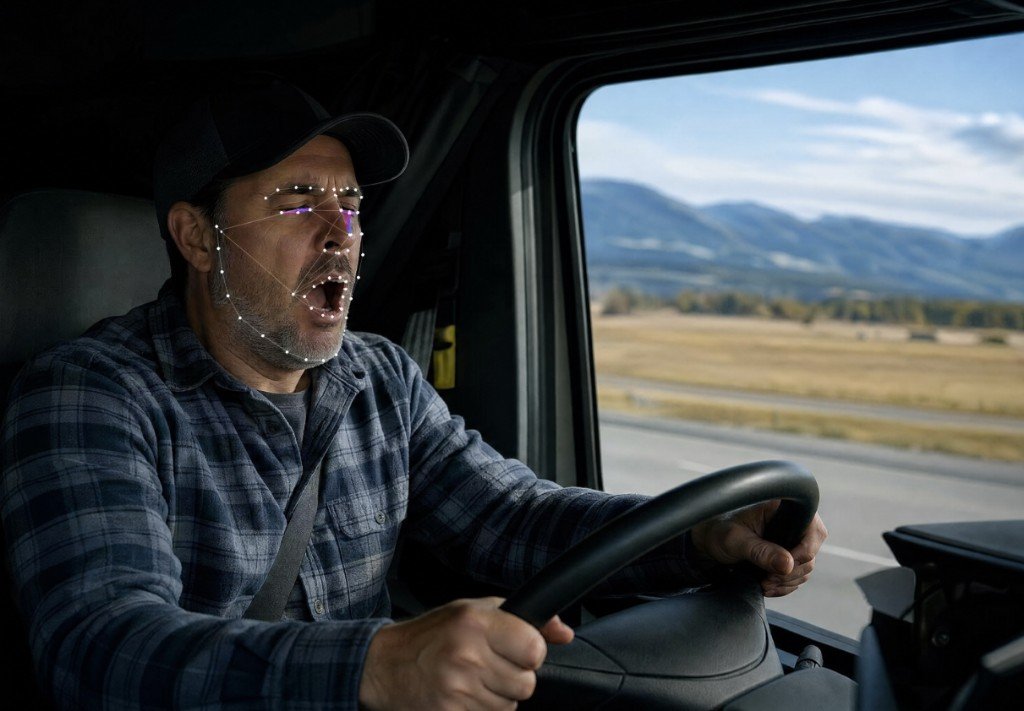
Driverion turns supported driver observations into meaningful safety events instead of relying on isolated camera detections.
Eye closure, PERCLOS, blink timing and yawning interpreted over time.
Sustained off-road attention and qualified distraction evidence.
Separate phone visibility from meaningful interaction evidence.
Understand direction, persistence and recovery of driver attention.
Know when observation quality is degraded instead of inventing conclusions.
Combine temporal evidence into advisory, warning and critical states.
Some scenarios shown in the visual library represent planned or integration-dependent event classes. Driverion publishes a capability only when the required sensor and validation path are available.
Temporal Safety Reasoning
Driverion qualifies risk over time. A single frame is evidence, not a verdict.
Explainable Safety Events
Every qualified event can carry the reason, evidence, duration and recovery state behind the decision.
Fatigue Monitoring
Driverion combines eye behavior, PERCLOS, blink timing, yawning and observation quality into temporal fatigue evidence.
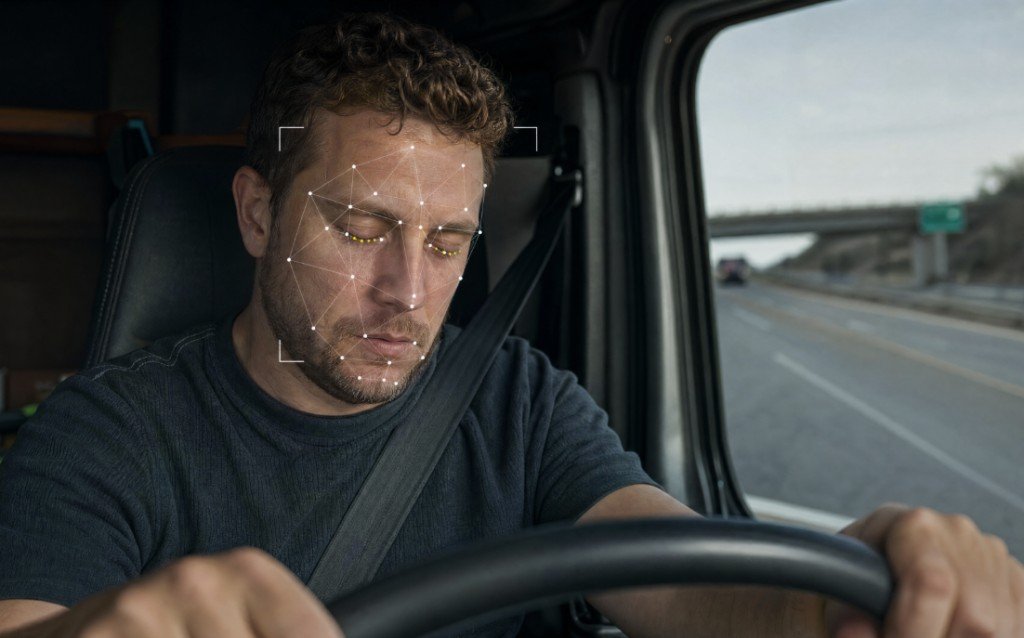
Driverion presents fatigue indicators and risk states; it is not a medical diagnostic system and does not infer a clinical condition from a single signal.
Distraction Intelligence
Differentiate a glance from sustained off-road attention — and a visible phone from evidence of meaningful interaction.
Phone visible is not the same as phone interaction. Driverion can keep those states separate in the event model.
Qualify attention loss using direction, persistence and recovery rather than one transient frame.
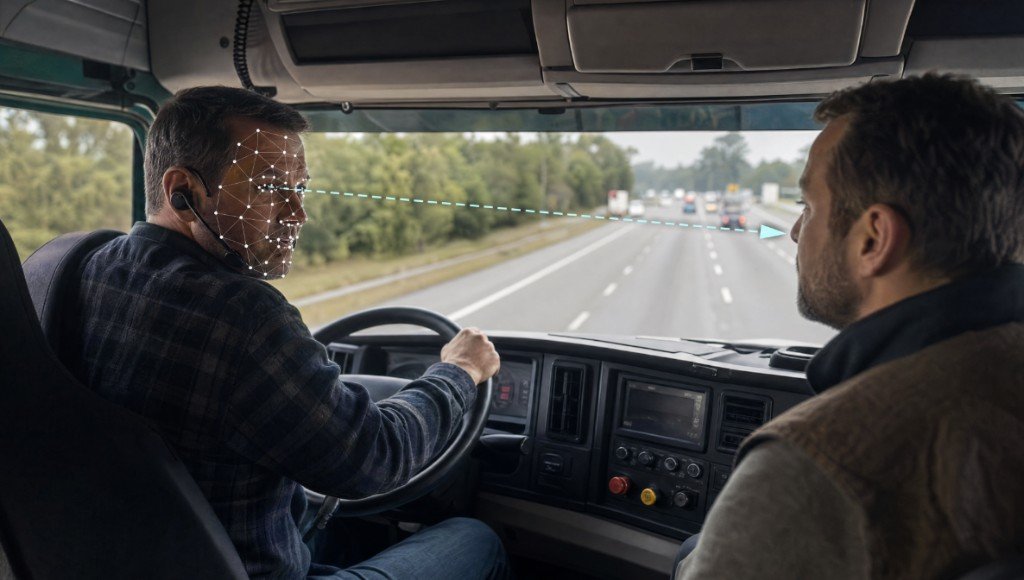
Use cautious, evidence-based language when head and gaze point toward a passenger-side region.
Road & Vehicle Context
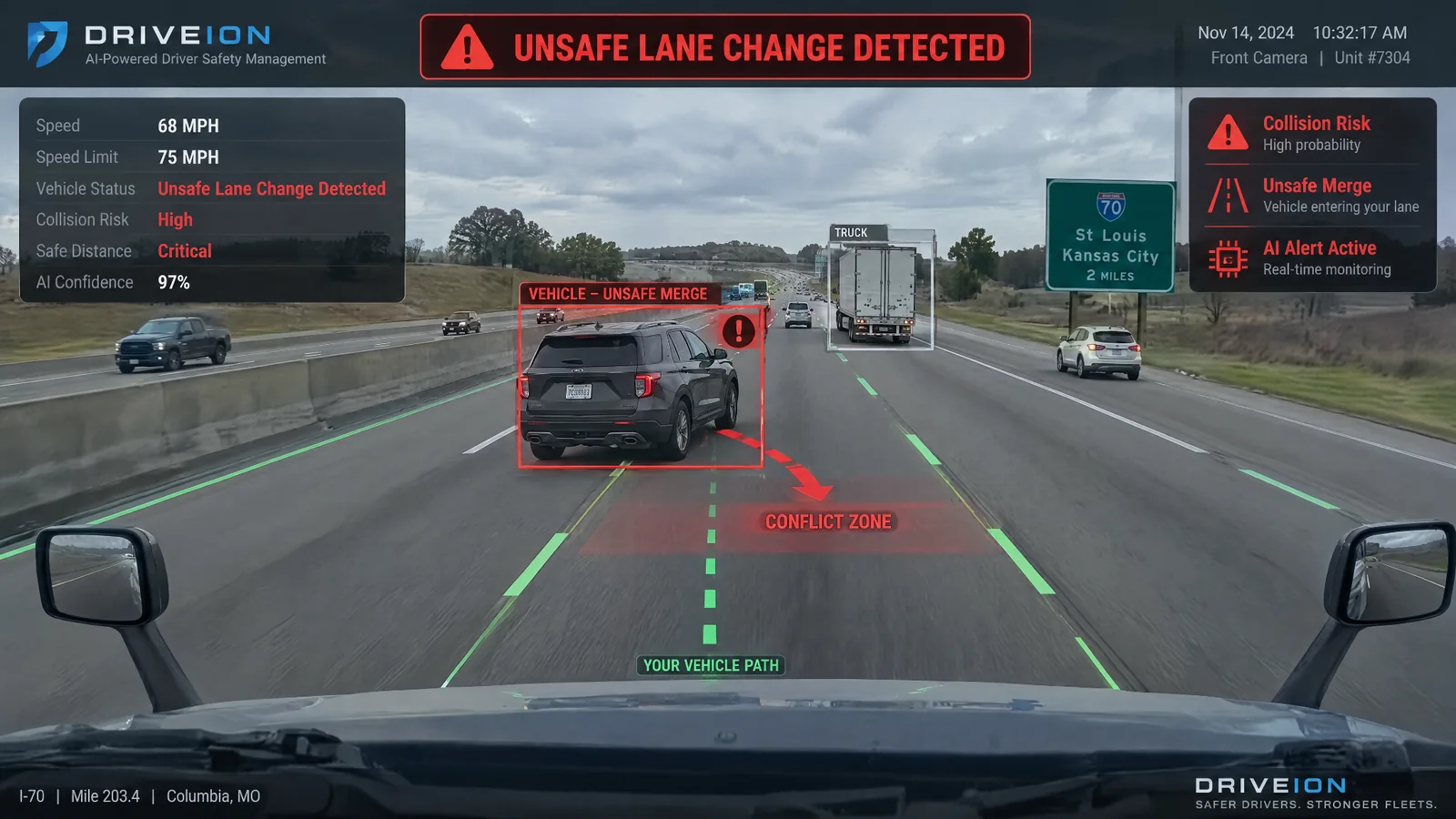
Driverion’s architecture is intended to accept road-facing and vehicle context without turning the driver-monitoring core into a monolith.
These road-facing event classes are integration-dependent and are not presented here as validated production capabilities.
Safety Operating Loop
A safety event should move from detection to action without becoming a black-box video archive.
Driverion Fleet
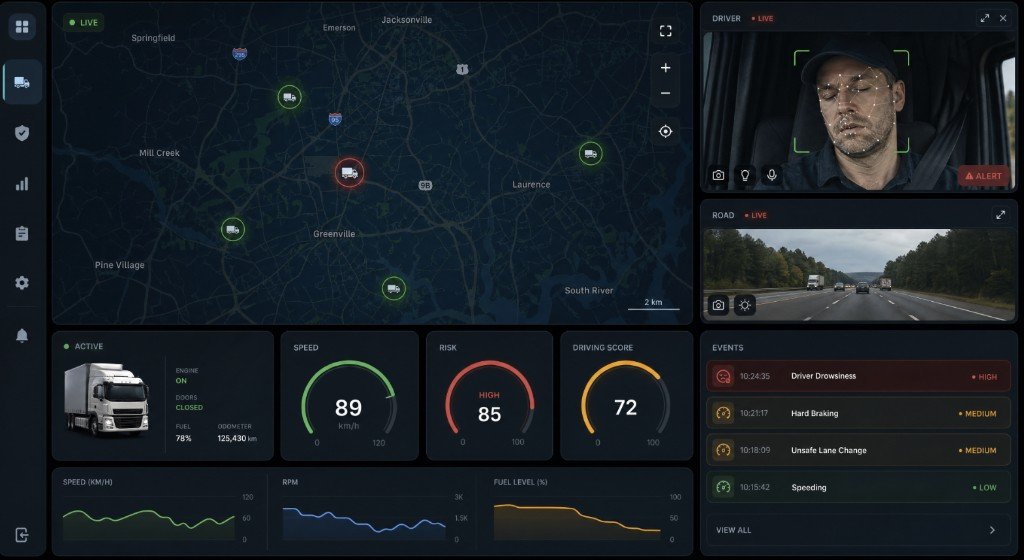
Bring driver events, session analytics, observation quality and operational context into one review surface.
Active Event Operations
Safety teams need the driver context, event lifecycle and evidence that made the alert meaningful.
DriverAssigned driver
VehicleTRK-1047
Duration2.4 s
ObservationValid
EvidenceEye closure · PERCLOS trend
RecoveryEyes reopened
Interface example. Controls illustrate the intended fleet workflow and are not connected to a production backend in this static site.
Reference hardware
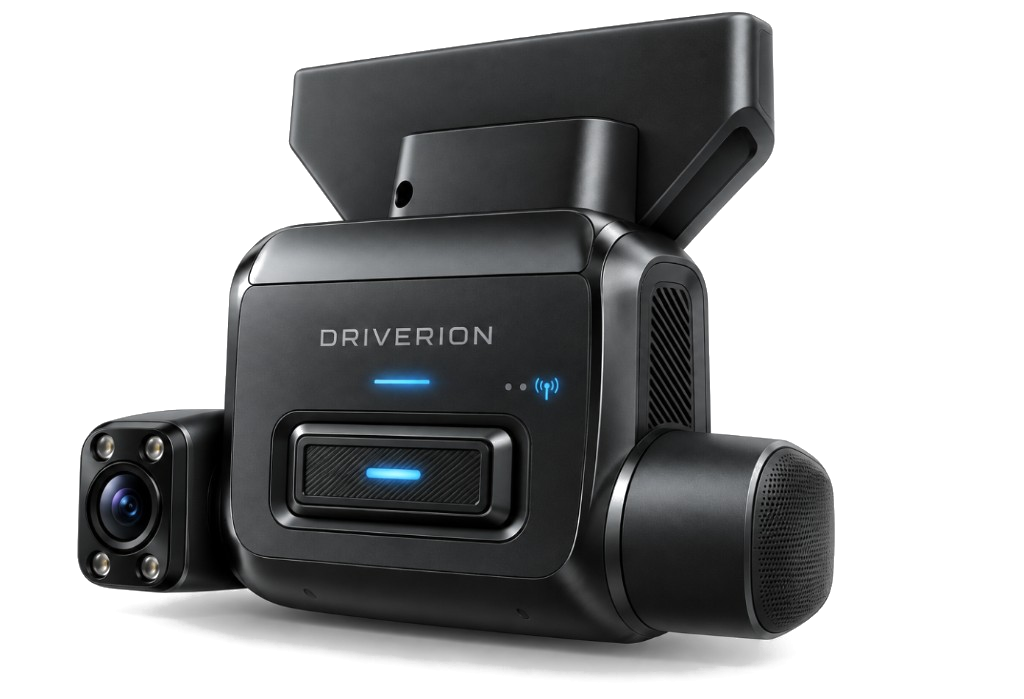
A driver-facing camera, a road camera and a local warning speaker in a single edge unit. Inference stays in the cab.
Product Family
Adopt only the layer you need — from embedded software to fleet analytics and reference edge deployments.
For telematics providers, camera manufacturers, fleet platforms and mobility technology teams.
A fleet-facing layer for session analytics, event review and operational visibility.
Reference hardware and validated-device pathways are part of the deployment strategy.
Open / Flexible Platform
Open where it matters: architecture, integration boundaries, deployment choices and event transparency.
 DRIVERION
Driverion’s public licensing model is intentionally not described as “open source” until an OSI-compatible licence is formally selected and published.
Integration Ecosystem
Driverion is designed to become the safety intelligence layer inside the fleet stack you already operate.
Driverion SDKstructured safety intelligenceevent.typeevent.severityevent.evidenceevent.durationevent.timestampConceptual API fields are illustrative; production SDK syntax will follow the published API contract.
Privacy-First Architecture
Driver safety should not require continuous cloud video. Driverion is designed around edge processing, derived safety events and explicit recording policy.
Run driver-state intelligence close to the camera.
Continuous recording is not required by the core architecture.
Store structured safety events rather than turning every second into surveillance data.
Integrate Driverion into infrastructure and retention policies you control.
Developers
Add driver-state intelligence to cameras, edge devices, telematics platforms and fleet applications.
event = driverion.process(frame)

if event:
    print(event.type)
    print(event.severity)
print(event.evidence){
"type": "attention.off_road",
"severity": "warning",
"duration_s": 4.2,
"evidence": ["gaze_left", "head_left"],
"recovery_state": "attention_returned"
}Deployment Scenarios
One software architecture, adapted to the operational context and sensor stack of each deployment.
Long-haul and commercial fleet environments where fatigue and attention risk matter every shift.
Passenger transport operations that need consistent driver-attention visibility and auditable events.
Intended deployment scenarios for heavy vehicles; harsh-environment and NIR validation remain hardware-dependent.
Fixed hardware
Opaque event flag
Platform replacement
Video-first workflow
Hardware-flexible
Evidence + duration + reason
SDK / API integration
Safety-event-first
Questions
No. A frame is evidence. Driverion qualifies fatigue and distraction over time, with duration and a recovery state.
No. The architecture is edge-first. Recording stays under an explicit policy you control.
The event model keeps phone visibility and phone interaction as separate states.
No. Driverion reports fatigue indicators and risk states. It does not infer a clinical condition.
No. Driverion is meant to sit inside the stack you already run, through the SDK and API.
DRIVERION
Detect. Understand. Alert. Improve.
Demo/contact routing is intentionally left to your production CRM endpoint; this static build does not invent an email address or lead system.